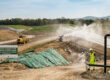

Dust Suppression in Quarries: Effective Misting Systems for Cleaner and Safer Operations
Introduction
Dust suppression in quarries is a critical concern for modern quarry operations. Airborne dust not only affects worker health but also damages machinery, reduces operational efficiency, and may result in environmental compliance issues. Using misting systems for dust control has proven to be one of the most effective solutions for quarries worldwide.
In this article, we explore how dust suppression in quarries works, the benefits of misting systems, and practical strategies to optimize dust control while minimizing water usage and environmental impact.
Understanding Dust in Quarries
Quarries produce dust during several operational processes. The main sources include:
- Drilling and blasting operations
- Crushing and screening of materials
- Material handling and transfer points
- Loading, unloading, and transport on haul roads
- Exposed stockpiles affected by wind
Risks of Uncontrolled Dust
Unmanaged quarry dust can lead to serious consequences:
- Respiratory health issues, including silicosis
- Reduced visibility and increased workplace accidents
- Environmental contamination affecting nearby communities
- Equipment wear and higher maintenance costs
- Regulatory fines and legal penalties
What Are Misting Systems for Dust Suppression in Quarries?
Misting systems, also called nebulization systems, use high-pressure pumps to atomize water into ultra-fine droplets. These droplets are comparable in size to dust particles, allowing them to bind effectively and settle out of the air. This method provides precise, efficient, and environmentally friendly dust control.
How Misting Systems Work
- High-pressure pumps atomize water into micro-droplets.
- Droplets are dispersed strategically in dust-prone areas.
- Airborne dust particles collide with droplets and become heavier.
- Dust particles settle to the ground, reducing airborne contamination.
Key Benefits of Dust Suppression in Quarries Using Misting Systems
1. Superior Dust Capture
Misting systems efficiently capture fine dust particles that traditional sprays often miss. This results in cleaner air and improved visibility at quarry sites.
2. Water Efficiency
Compared to conventional spraying, misting systems use up to 70–90% less water. Targeted application reduces waste and prevents runoff, saving costs and conserving resources.
3. Enhanced Worker Health and Safety
By lowering dust levels, misting systems protect workers from respiratory issues while reducing slip, trip, and visibility-related hazards.
4. Environmental Compliance
Misting systems help quarries meet strict environmental standards, controlling particulate emissions and minimizing impact on surrounding communities.
5. Reduced Equipment Wear
Lower dust accumulation reduces wear and tear on machinery, decreasing maintenance costs and downtime.
6. Operational Efficiency
Cleaner working environments ensure smoother material handling and more efficient production processes.
7. Flexibility and Adaptability
Misting systems can be installed as fixed units at crushers, mobile units on haul roads, or fully automated systems with sensors. This flexibility makes them suitable for quarries of all sizes.
Practical Applications of Misting Systems in Quarries
Crushers and Screening Plants
Dust generated during crushing can be controlled with strategically placed misting nozzles.
Conveyor Transfer Points
Targeted misting at transfer points minimizes dust dispersion during material movement.
Haul Roads
Mobile misting systems reduce airborne dust caused by vehicle traffic.
Loading and Unloading Areas
Dust suppression ensures cleaner air for workers and protects nearby environments.
Stockpiles
Misting creates a protective moisture barrier that prevents dust from being blown away by the wind.
Misting Systems vs Traditional Dust Control
| Feature | Misting Systems | Traditional Sprays |
|---|---|---|
| Droplet Size | Ultra-fine (10–100 microns) | Large |
| Dust Capture | High efficiency, including fine particles | Moderate, misses small dust |
| Water Usage | Low, controlled | High, wasteful |
| Environmental Impact | Minimal | Higher, runoff possible |
| Coverage Precision | Targeted and adjustable | Broad, less precise |
Components of a Quarry Misting System
- High-pressure pump units
- Specialized misting nozzles (stainless steel or ceramic)
- Filtration systems
- Automated control panels
- Distribution piping networks
Implementation Considerations
When installing dust suppression systems in quarries, consider the following:
- Site layout and high-dust zones
- Dust type and particle size
- Environmental conditions (wind, humidity, temperature)
- Automation and monitoring requirements
Maintenance Best Practices
Regular maintenance ensures consistent performance:
- Clean and inspect nozzles
- Monitor pump pressure
- Replace filters as needed
- Inspect and adjust piping and control systems
Future Trends
Emerging trends in quarry dust suppression include:
- IoT-enabled systems for remote monitoring
- Smart sensors to detect dust levels in real-time
- AI-driven optimization for water and energy efficiency
- Integration with overall environmental management systems
Keep in mind
Dust suppression in quarries is essential for protecting worker health, reducing environmental impact, and improving operational efficiency. Misting systems offer a highly effective, water-efficient, and environmentally sustainable solution. By adopting modern misting technologies, quarry operators can achieve cleaner air, safer workplaces, and full regulatory compliance.
Contact Italfog for more information
Ready to improve dust suppression in your quarry operations?
Contact your local Italfog representatives today to discover customized misting solutions tailored specifically for your quarry. Reduce dust emissions, enhance safety, and optimize your operational efficiency with advanced dust suppression technology.
Get in touch now and take control of dust with Italfog’s innovative misting systems.